


Intelligent energy
Intelligent Energy
Buy electricity when it costs less, store it, and explore higher-value sales and eligible grid payments.
Explore intelligent energy Let’s talk
Intelligent energy. Circular infrastructure.
We connect energy storage, market optimisation and distributed computing to unlock more value from every site.
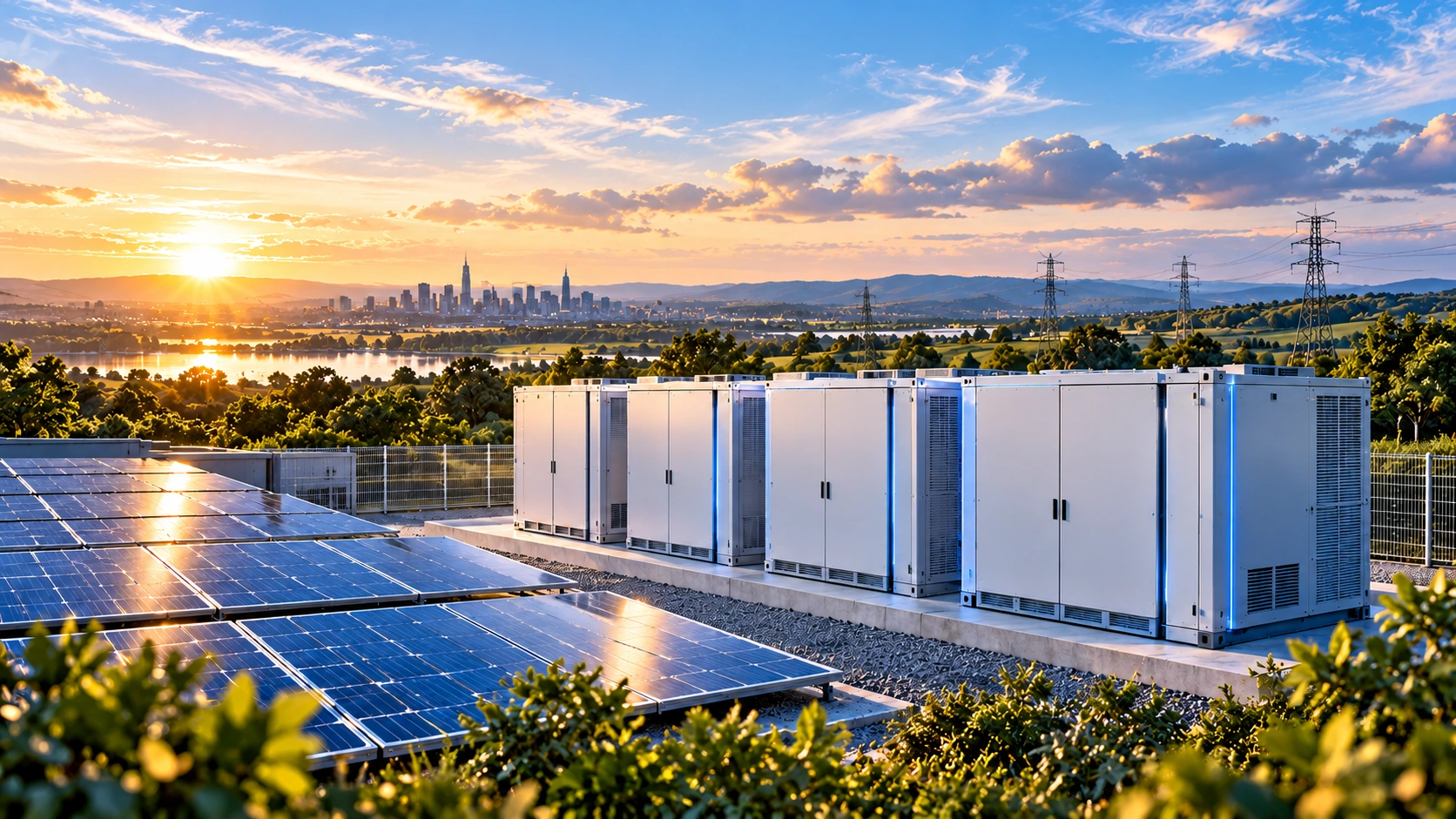
Intelligent energy
Buy electricity when it costs less, store it, and explore higher-value sales and eligible grid payments.
Explore intelligent energy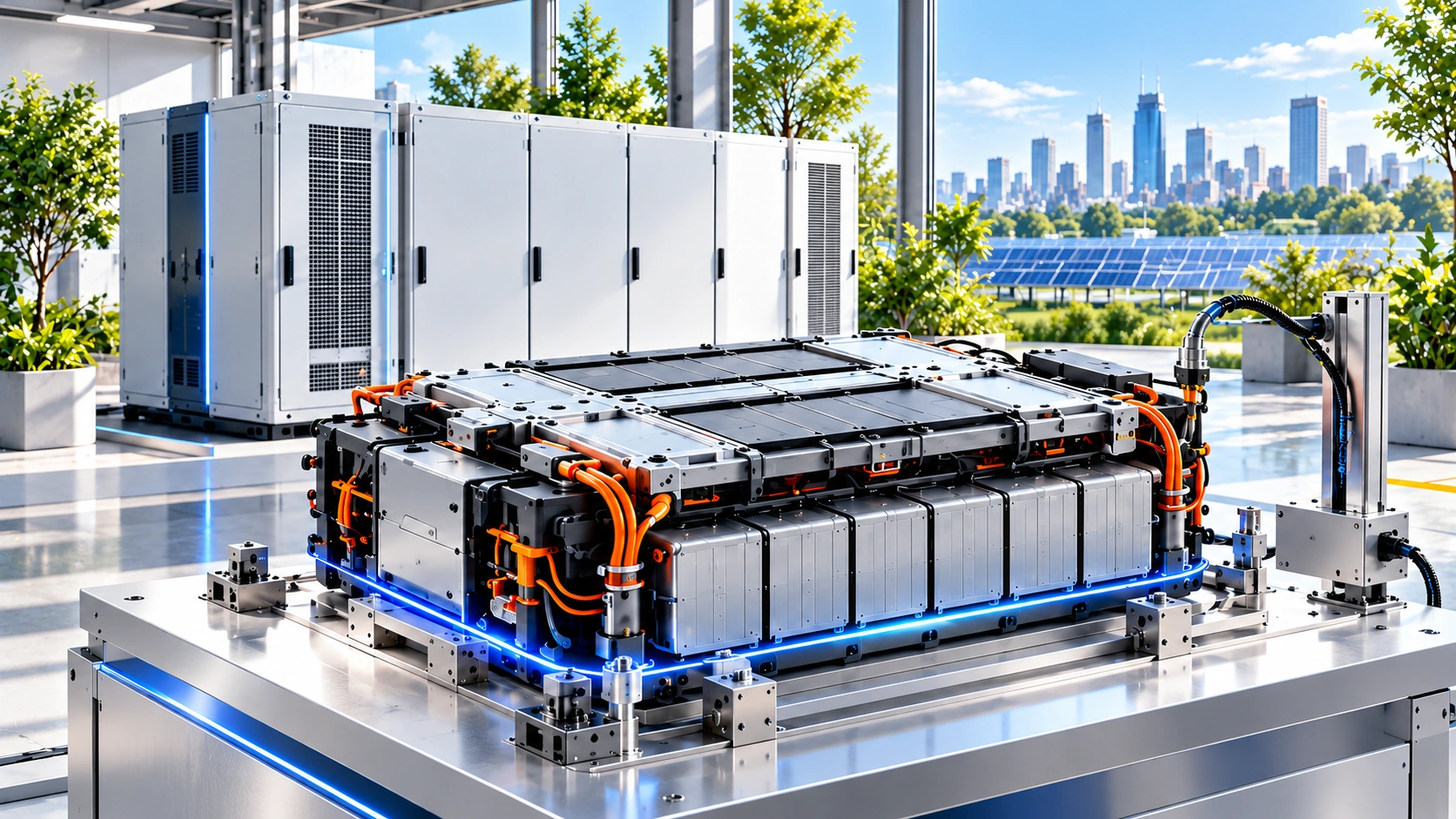
Circular batteries
Retired from a car does not have to mean finished. We assess suitable EV batteries for a second life storing electricity.
Explore circular batteries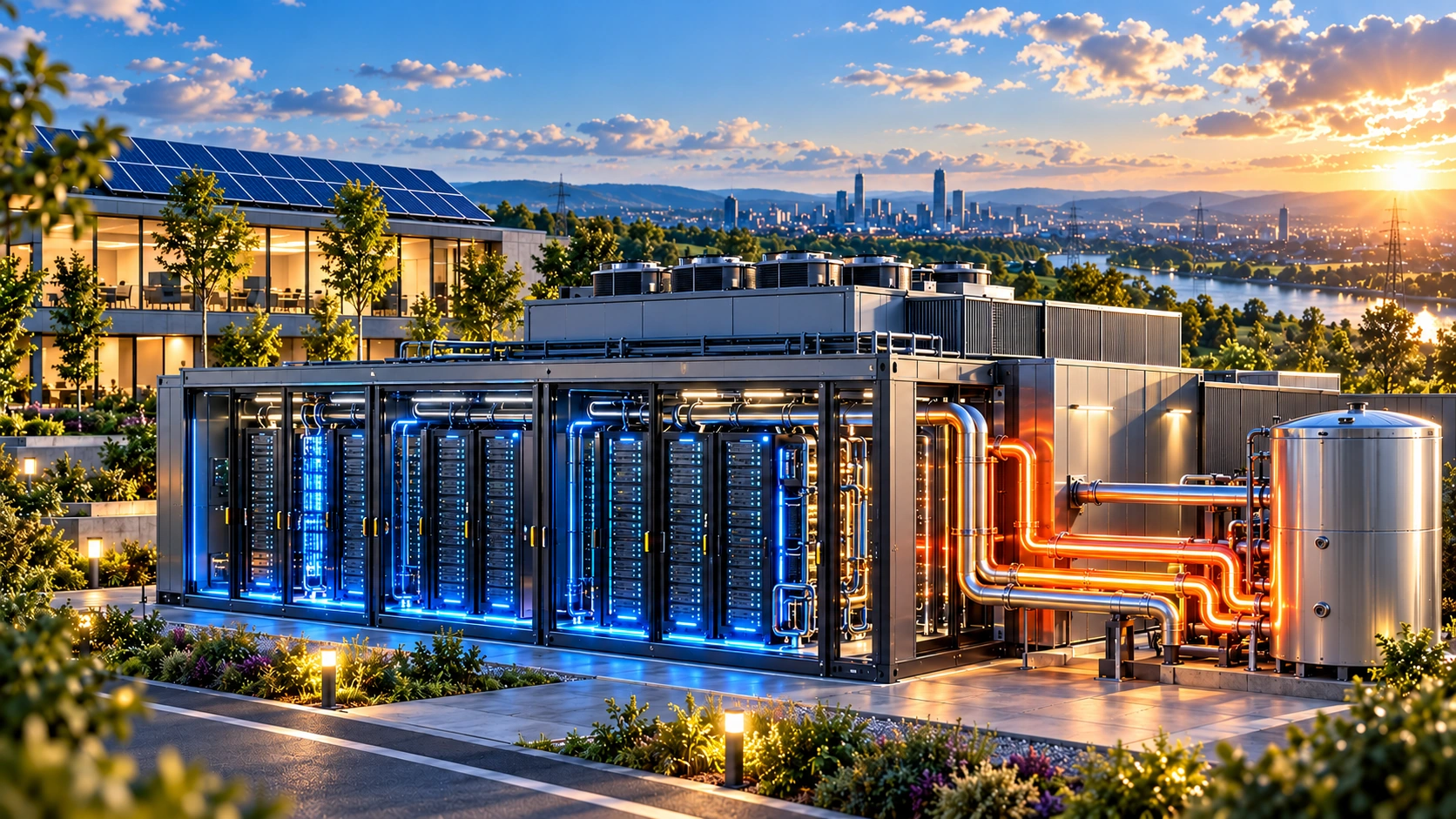
Computing & heat recovery
Use available power to run paid computing work, then recover useful server heat for hot water and building heating.
Explore computing & heatStart with what you have
You do not need to be an energy trader or a computing expert. Tell us what you have, and we’ll explore where it could fit.
Explore battery arbitrage, lower electricity costs and eligible payments for supporting the electricity network.
Explore this service →We welcome battery suppliers, fleet operators and dismantlers interested in responsible second-life storage.
Explore this service →Explore hosting GPU and CPU equipment, buying computing services, or putting recovered server heat to use.
Explore this service →Connected by design
Intelligent energy. Circular infrastructure. Productive computing. Each service strengthens the next, helping unlock more value from a suitable site.
Give suitable EV batteries a second life. Charge them when electricity is cheaper.
Reduce peak electricity use, explore arbitrage and provide eligible grid flexibility.
Use available capacity for computing, then recover useful heat for water and buildings.
Make your energy work harder
Start with your home or commercial site. Adjust solar and battery storage to explore potential bill savings, tariff timing and battery export value.
Preparing your calculator…
YOUR STARTING POINT
Installed peak capacity. Drag the slider or type a value.
Storage capacity. Drag the slider or type a value.
Typical annual household electricity demand.
Choose when your site typically uses electricity.
Both site types use the same engine. Presets are starting assumptions, not promises. Enter tariff prices on a consistent tax basis. The reference tariff uses UK local time: off-peak 02:00-05:00, peak 16:00-19:00, and day rates otherwise.
Solar yield starts at 866.62 kWh/kWp/year: a PVGIS Haslingden, Lancashire, UK example (53.70, -2.33), south-facing, 35° tilt, 14% system-loss setting. This is not your roof assessment; replace the yield for your site. Off-peak 10p and export 5p are editable scenarios, not available tariff offers. Battery efficiency and usable capacity start at 90%; check the equipment specification. The 26.32p import starting point is Ofgem’s October–December 2026 GB Direct Debit average; enter your actual tariff, particularly for businesses. Market service revenue is excluded until assessed.
Inverter selection requires a site assessment.
ILLUSTRATIVE ANNUAL ENERGY BENEFIT
Illustrative scenarioEstimated bill savings and export income, after battery wear.
Indicative only, not a guarantee of revenue. We’ll review your assets, tariff and live market data with you before confirming a proposal.
Add solar or a battery to explore your results.
nodez. independent scenario · Editable assumptions
SIDE BY SIDE
UNDERSTAND THE RESULT
Explore solar savings, export income and battery scheduling. Battery exports use the entered export tariff.
Value from producing electricity, using it on site and exporting surplus.
The additional value of storing energy for use when you need it.
Scheduling battery operation around demand, generation and tariff conditions.
Battery export is valued at the entered tariff. Additional wholesale and flexibility contracts need a separate assessment.
MORE POTENTIAL TO EXPLORE
Additional income from wholesale trading and grid services may be available, depending on your system and access to eligible programmes. These potential earnings are not included in this estimate.
nodez. independent hourly dispatch model v3. The model runs through all 8,760 hours of a year. It compares no assets, solar alone, self-use battery storage, tariff scheduling, and scheduling with battery export. Each extra component is the change from the preceding scenario, so the same energy is not sold twice.
The solar shape comes from European Commission PVGIS SARAH3 hourly output for 2023 at Haslingden, Lancashire, UK (53.703, -2.325), south-facing at 35° with a 14% system-loss setting. Its hourly shape is normalised to the editable 866.62 kWh/kWp long-term example yield. Demand patterns are synthetic, scaled to your annual use. The model is not measured site data or a weather forecast.
Reference import/export prices are from the Octopus Energy API, Flux region E, August 2026. Off-peak is 02:00-05:00 and peak is 16:00-19:00 UK local time. Home reference import prices include the tax basis published for that snapshot. Commercial reference import prices exclude VAT and are illustrative inputs, not an available commercial tariff offer. Enter your actual contract rates and confirm export eligibility. A solar-free setup does not establish eligibility for Flux.
The optimiser uses perfect knowledge of the modelled year, which real forecasts cannot provide. It enforces battery capacity, charge/discharge power, losses and the site export limit. Stored-energy resolution is 0.1 kWh at home and coarser for large commercial systems. Battery wear starts at an illustrative 3p/kWh discharged. Battery exports are paid once at the entered export tariff. No additional wholesale trading, ancillary, capacity or flexibility payment is assumed. A larger battery can eventually stop adding value when power, export windows, demand or generation become the constraint.
Standing charges are held unchanged. Equipment, finance, service fees, replacement and multi-year degradation are not deducted from the headline. Enter capital and annual service costs to explore simple payback separately. Results are scenarios, not guaranteed savings or an investment return.
Simple payback uses the costs you enter and assumes the annual energy benefit stays the same. Finance, replacement and future changes are outside this simple comparison.
A straightforward next step
An energy asset, batteries for repurposing, computing demand or a suitable host site. Start with the basics.
We review your equipment, energy use and property to identify options worth exploring.
Review the equipment, costs, terms and potential benefits before you decide.
Plain-English answers
No. You can explore one service on its own. Start with the equipment or space you have and the outcome you want.
Solar storage and smarter battery use may suit homes or businesses. Computing needs a separate assessment of the space, electrical supply, internet, cooling and costs.
Use the savings calculator for an initial guide to battery savings. A personalised assessment needs your actual tariff, usage, equipment and all costs.
Try the savings calculatorThey are suitable used batteries, often from electric vehicles, tested and repurposed to store power for buildings. Condition, safety, warranty and installation requirements still need to be checked.
The cost depends on your property and the proposed system. We discuss equipment, installation, service charges and the commercial terms before any commitment.
Let’s start a conversation
We welcome enquiries from host sites, battery suppliers, computing customers and commercial partners. Tell us what you have and what you want to achieve.
info@nodez.energyNo technical knowledge needed.